The Saints were with me when I set my intention for this walk. I was seeking refuge from feeling I needed to have everything under my control (teaching teens seems to set me up for that). I was tired of all the thinking and problem solving and fixing and behaviour management (I have a difficult enough time with my own behaviours sometimes, let alone those of others!) and controlling that my role as a middle school teacher seems to demand of me. As mentioned earlier, from my perspective, the details and organisation required of the trip, mostly put into action by Chin-Yu, happened with very little effort (thankfully) from me. I just walked and Chin-Yu’s gift of organisation, which gave my weary spirit space to rest, was the absolute best.
At the end of the day, the month-long adventure cost me about 32,000 Norwegian Kroner ($5000 Cdn). This included a bit of gear I bought along the way (insoles to help make my shoes more comfortable, poncho, socks), accommodations, food and any luxury items (i.e. popsicles or a cold beer after a long walk). The CO2 emissions were minimal and I fell in love with and deepened my sense of place in Norway and within myself.
The bag I started with was lighter than the bag I finished with, but I think what we carry is an individual and experiential journey on its own, metaphorically and literally. Even with my backpacking experience (I worked several years as a backcountry hiking guide in the Canadian Rockies) and Chin-Yu’s extensive contents-of-bag advice, I had to discover what belongs in my bag on my own.
What I would keep:
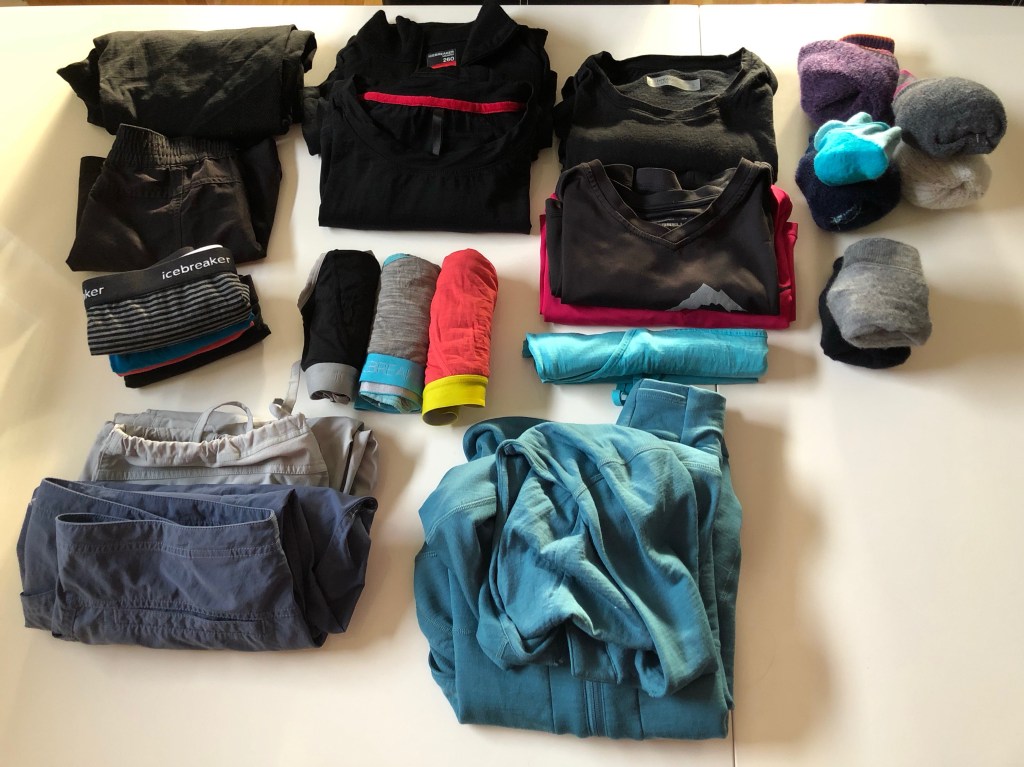
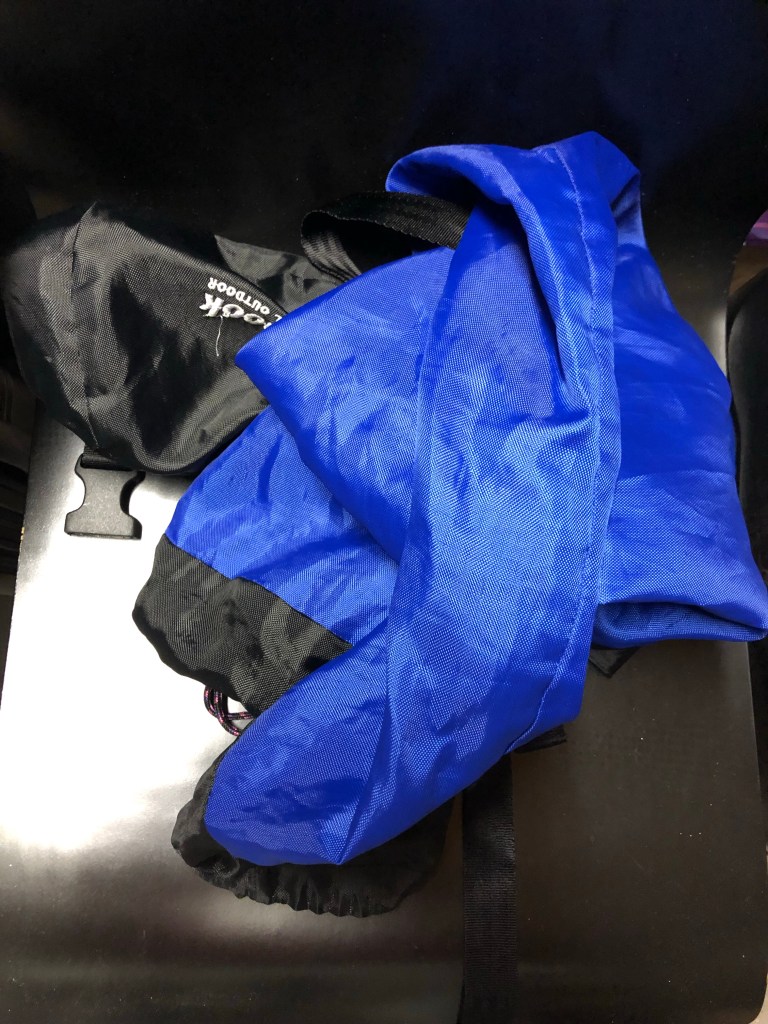
1) One pair 3/4 length hiking pants (which ended up too big and needed regular tucking in to my backpack belt to keep them up). I wore these every day and didn’t need anything else. I managed to wash them when required (3-4 days) and they were dry by morning. While they needed a small sewing job along the seam of the crotch in the final week, they were quick dry, not too warm, protected me from bugs, and in general, perfect. One pair of walking pants was enough and I wore them 32/32 days. I might try to find a pair of quick-dry convertible pants instead, but I quite liked the length, and even on the cold, wet days (of which we had very few), they worked well.
2) One pair of “evening pants.” I wore a pair of stretchy 3/4 length climbing pants to dinner or around in the evenings after showering. These could have been a bit classier for our evenings when we ate in the dining areas of the guest houses or hotels, but the light weight and comfort of them were first and foremost. As a pilgrim, people don’t expect you to dress fancy, and I used them more than 3/4 of the days.
3) A pair of long underwear (wool). Sometimes, I wore these to bed and I wore them under my rain pants for two days of 32. I’m glad I had them though I only used them less than 1/4 of the days.
4) One pair of shorts that could also serve as bathing suit bottoms. Next time, I would not bring the material-heavy bathing suit bottoms I had. I would, however, bring these shorts. I tried wearing them while hiking one day but was bitten by horseflies and ultimately, found the shorts more comfortable to wear post-walking around the room.
5) Four pairs of Marino wool undies and three Marino wool sports bras (Icebreaker). I could hand wash when needed.
6) Socks. Socks were an unanticipated challenge. I found my thicker (medium thickness) hiking socks were too thick and my outer toes blistered at the start as a result. At the end of the trip, I had seven pairs of wool socks, and while I did wear them all, I would bring the thinner woolen blend pairs I bought during the trip and leave the other five pairs at home. I would have 4 pairs of socks, through three could work, as hand washing is feasible, especially with accommodations. I think testing socks on a big walking day, with the backpack, might be the only way to know for sure, as I had used all of the socks I brought prior to the trek, in the shoes I wore, and on longer walks. With the weight of the bag, it seemed to change the experience of my feet. In the future, I would invest more time in choosing my socks and shoes prior to walking.
7) I had three short sleeve T-shirts for walking. I would exchange the two polyester sports shirts I had for Marino wool ones, as I could wear the wool shirt 2-3 days without washing if needed, whereas the polyester shirts required washing after one day. I loved the Marino wool t-shirt I had. Two might be sufficient.
8) I also had a cotton t-shirt for sleeping in and a tank top. I didn’t need the tank top.
9) I also had two long sleeve Marino wool shirts, one for sleeping in and the other for walking in on cool days. I would consider leaving the cotton shirt behind for the second long sleeve wool shirt I used for sleeping in.
10) I had a Marino wool hoodie, which I wore almost daily. I could wear it in the evenings, when we stopped for breaks and on the cooler and wet days as another layer. This was a must.
11) Rain pants. Yes, even if I only wore them twice.

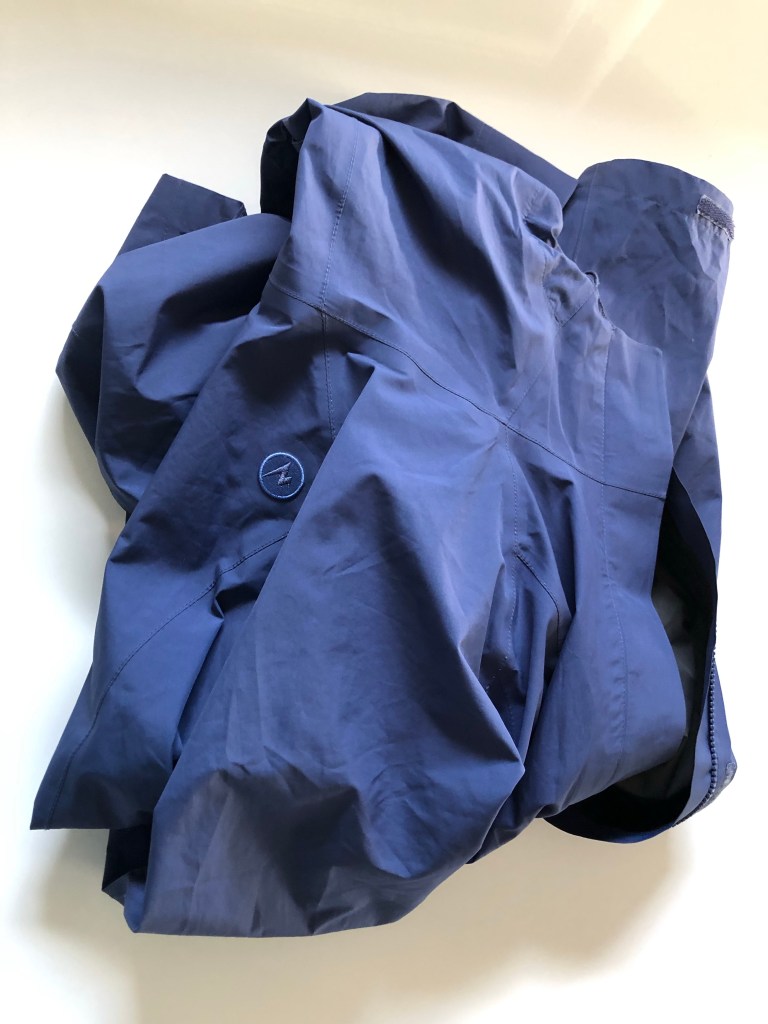
12) Rain jacket. After I bought the poncho, I didn’t wear the rain jacket for the rain. That said, the poncho stuck to my arms with the moisture. I did wear the rain jacket on cooler days and during lighter rain when I didn’t want the poncho to stick to me. Perhaps a lighter long sleeve shirt under the poncho would work next time? I would still bring the rain jacket which also served as a wind breaker.
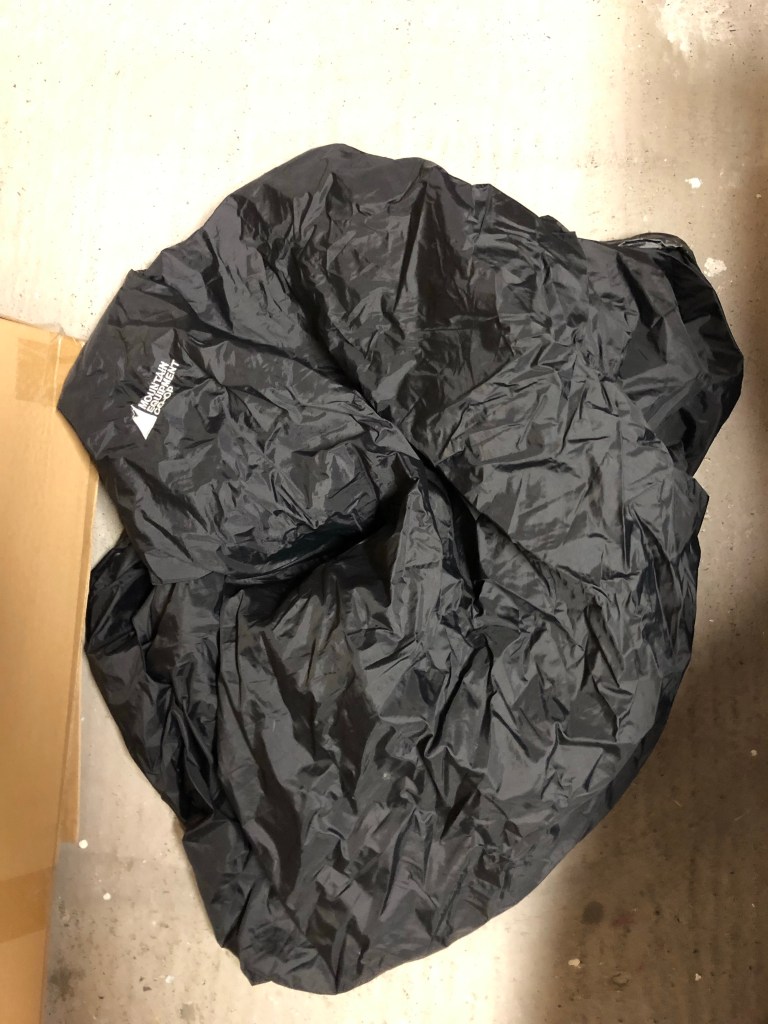
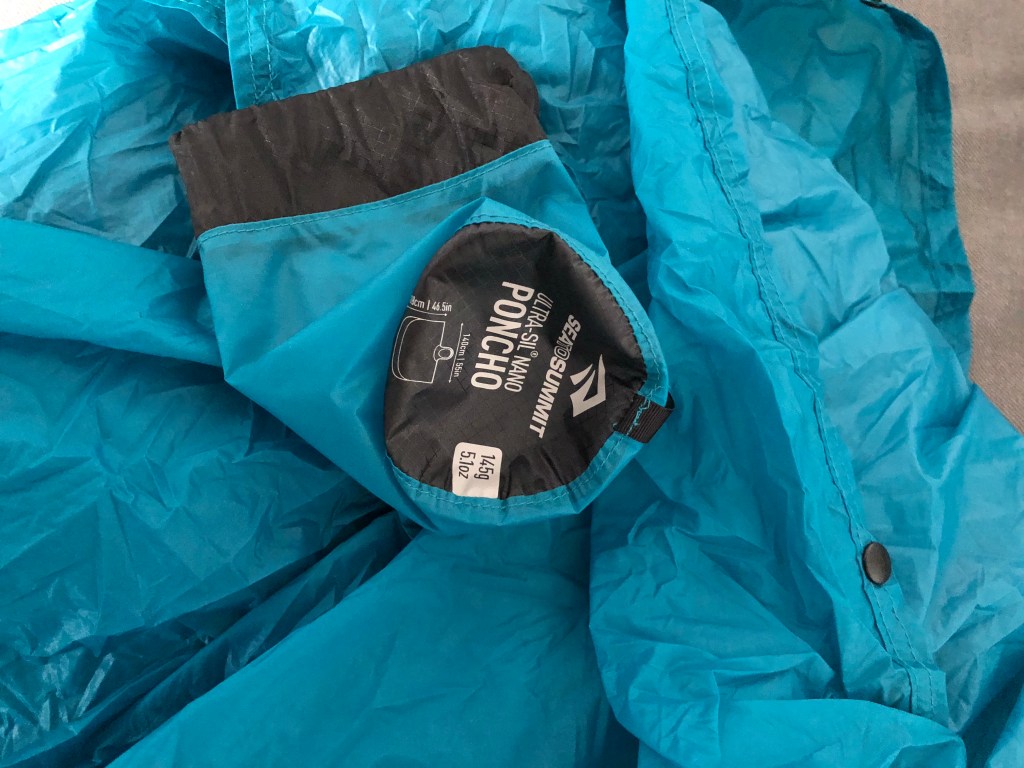
13) Poncho. Yes. Great investment! I kind of thought it was silly before the trip, but I saw how practical Chin-Yu’s was and was easily converted after several days of occasional rain fall. The poncho is way easier to use than a rain tarp and cooler than a rain jacket. Doing something to address the stickiness between humid skin (sweat and/or rain) and poncho is yet to be figured out.
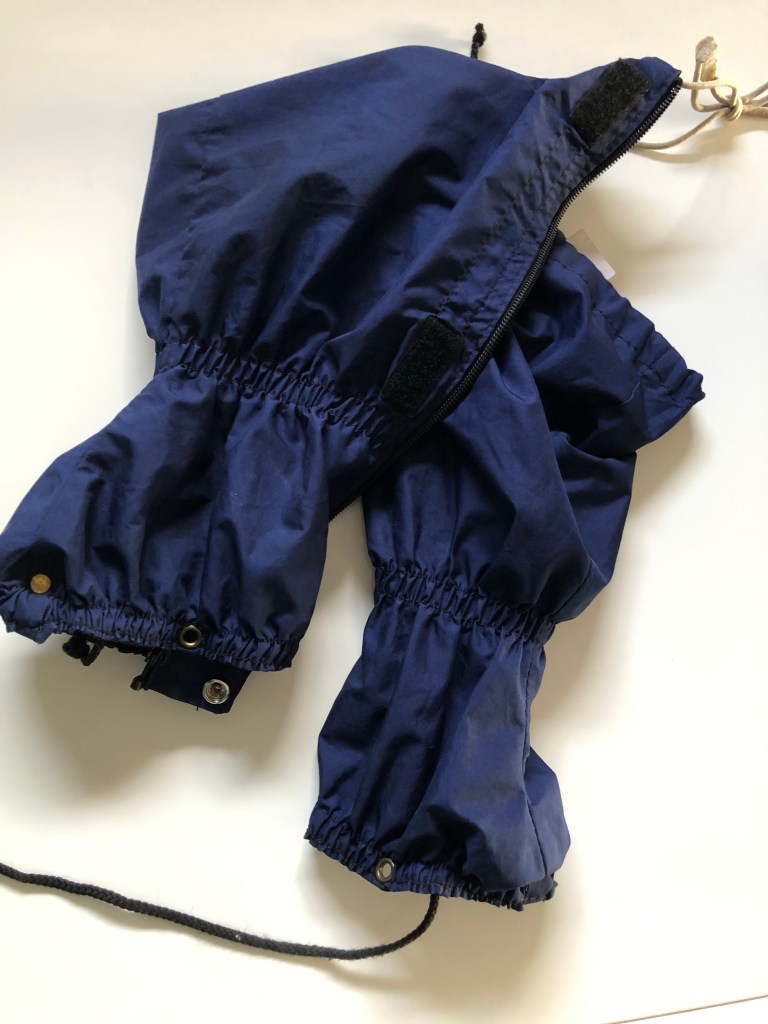
14) Gaiters. I would not bring these again. Rain pants were enough. My shoes got soaked on the wet days anyway.
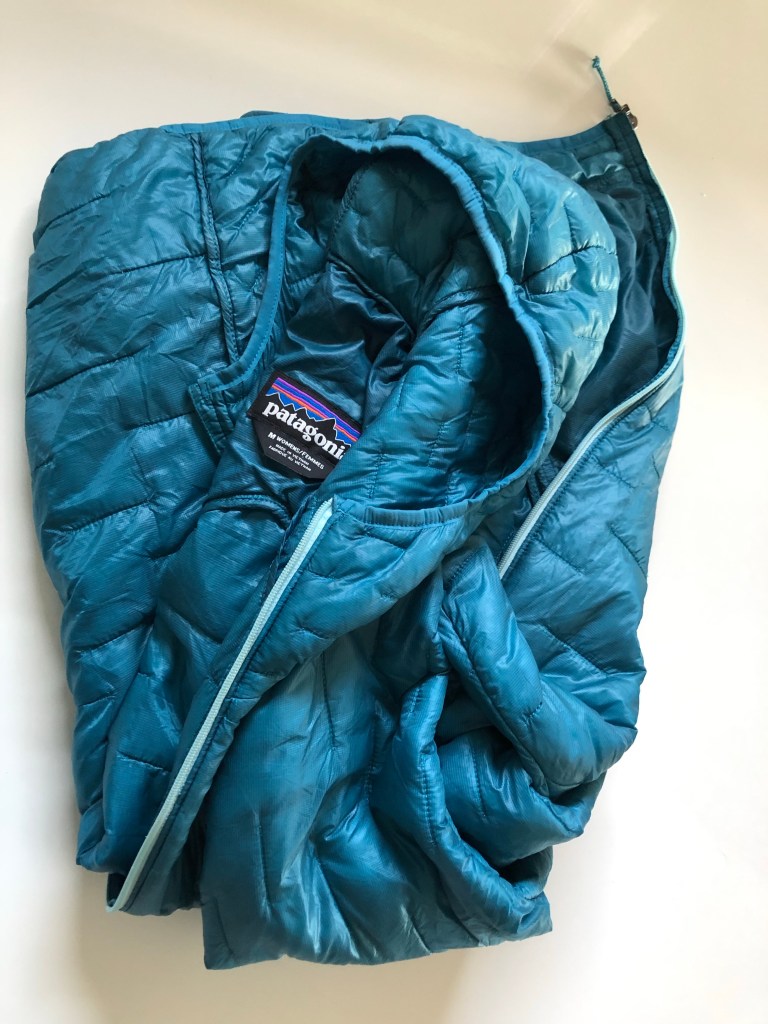
15) Light puffy jacket. I wore this in the evenings or during breaks. I’m glad I had it, though with the wool hoodie, perhaps it was an extra layer I didn’t need.
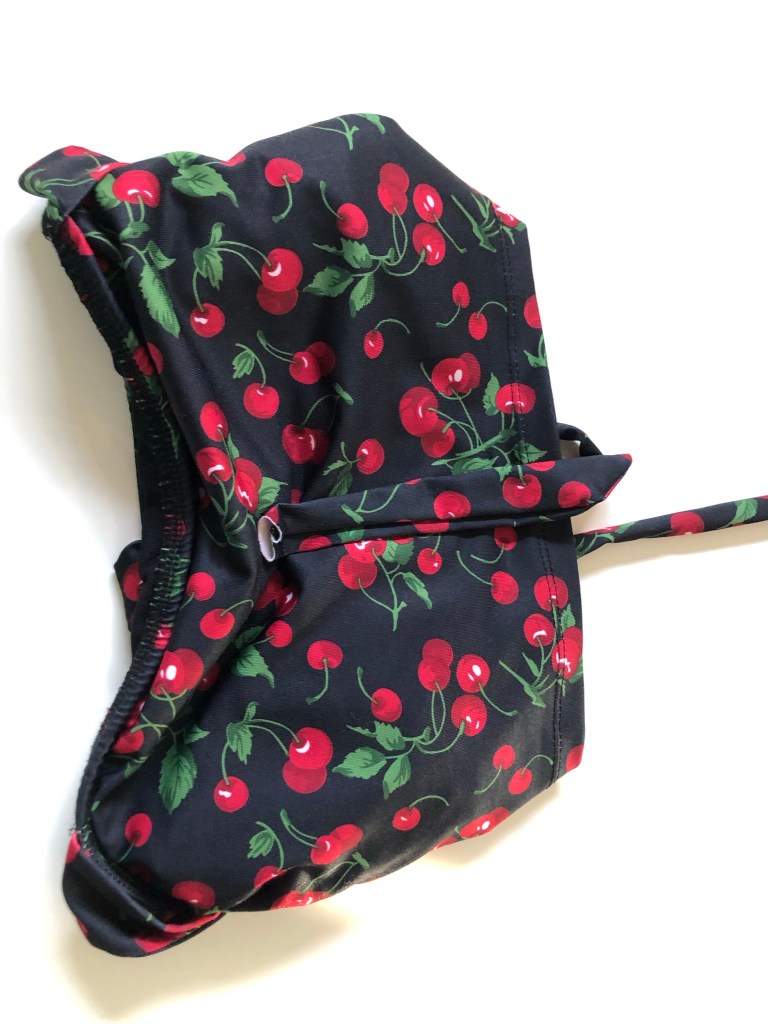
16) Bathing suit. I wore it twice. Next time, I would bring a very light one piece or bikini top and bottoms with the shorts mentioned earlier. I would not bring a very material-heavy bathing suit like this.
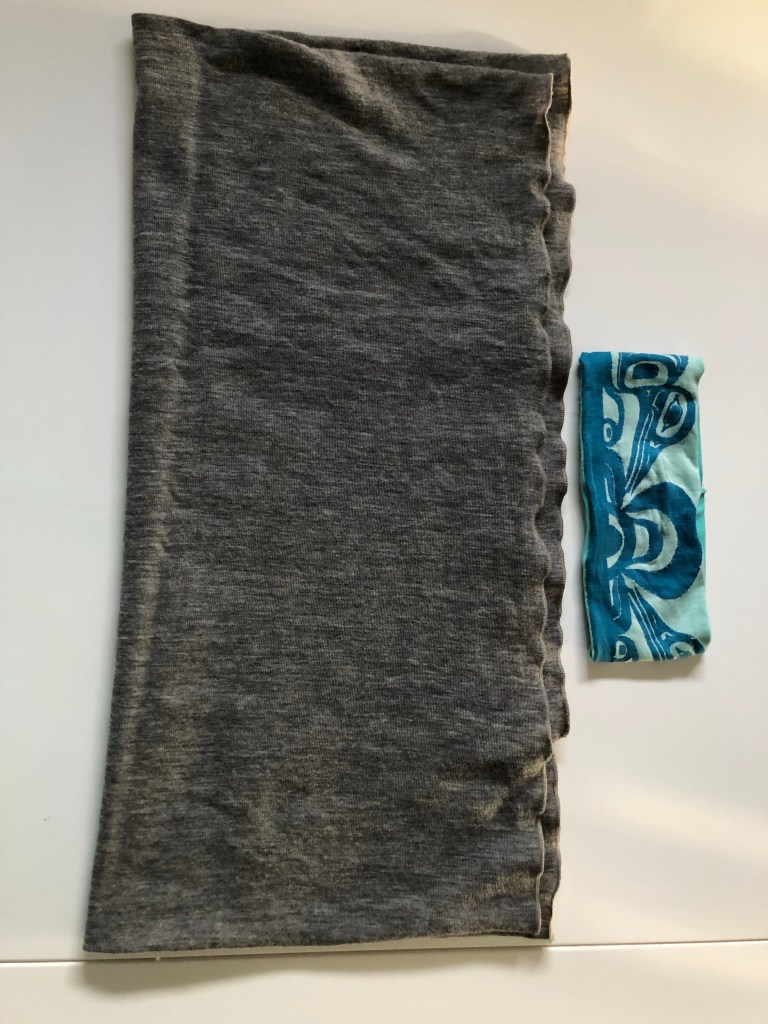
17) Marino wool buff and headband. I wore the head band daily, which kept hair and sweat off my face. The wool buff and light wool gloves were only used once or twice but I’m glad I had them when I did use them.
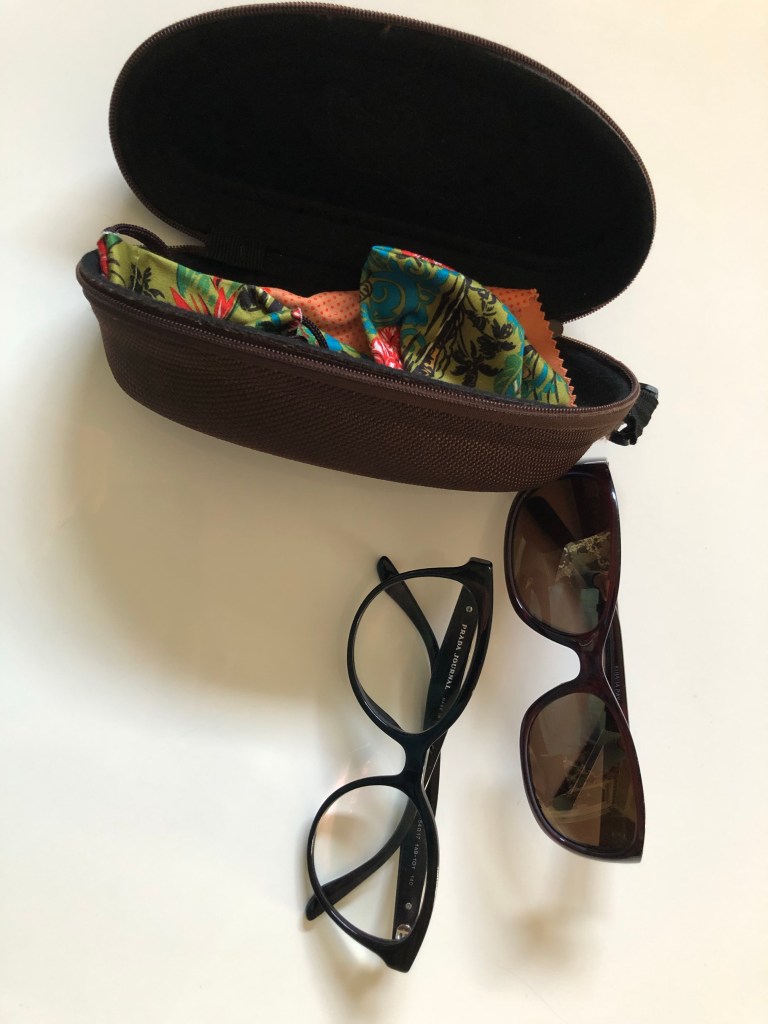
18) Glasses. I had my sunnies and my reading glasses, and a case to protect them (both fit in one case).
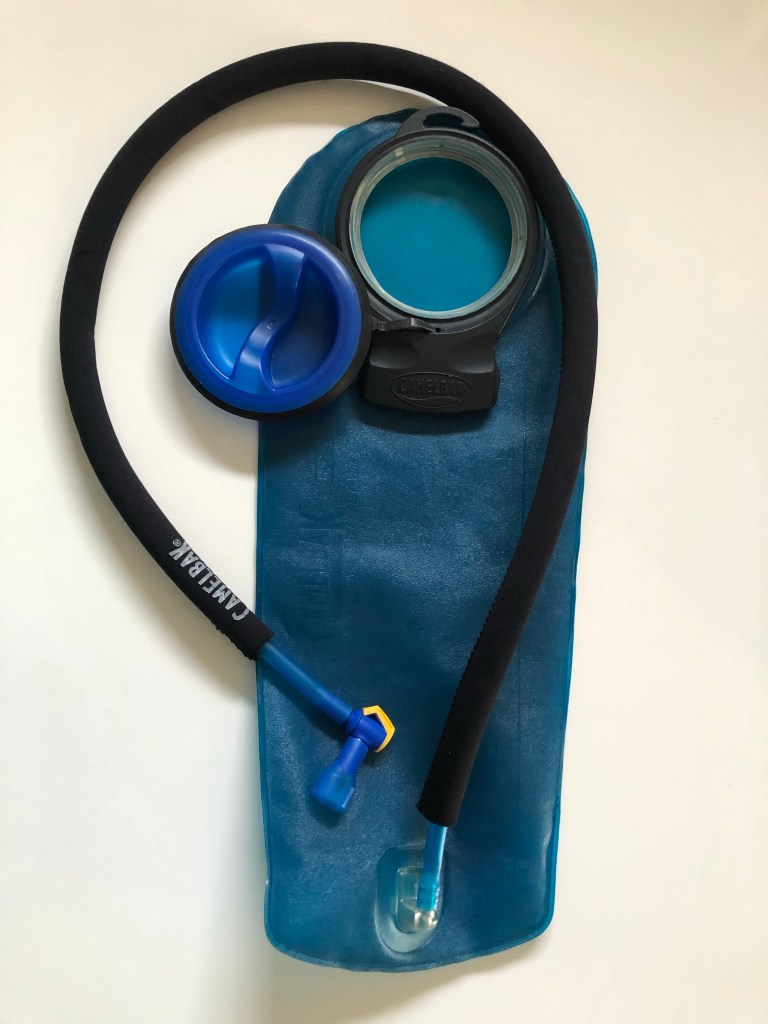
19) 3 litre Camelback bladder. I usually only filled this up to 2 litres, which seemed to be a perfect amount for every day. I did run out of water a few days, but near the end of the day. On one hot day, I was lucky to come across a shop where I could buy a couple of drinks as well (but it was closing just as I arrived, so I was lucky!)
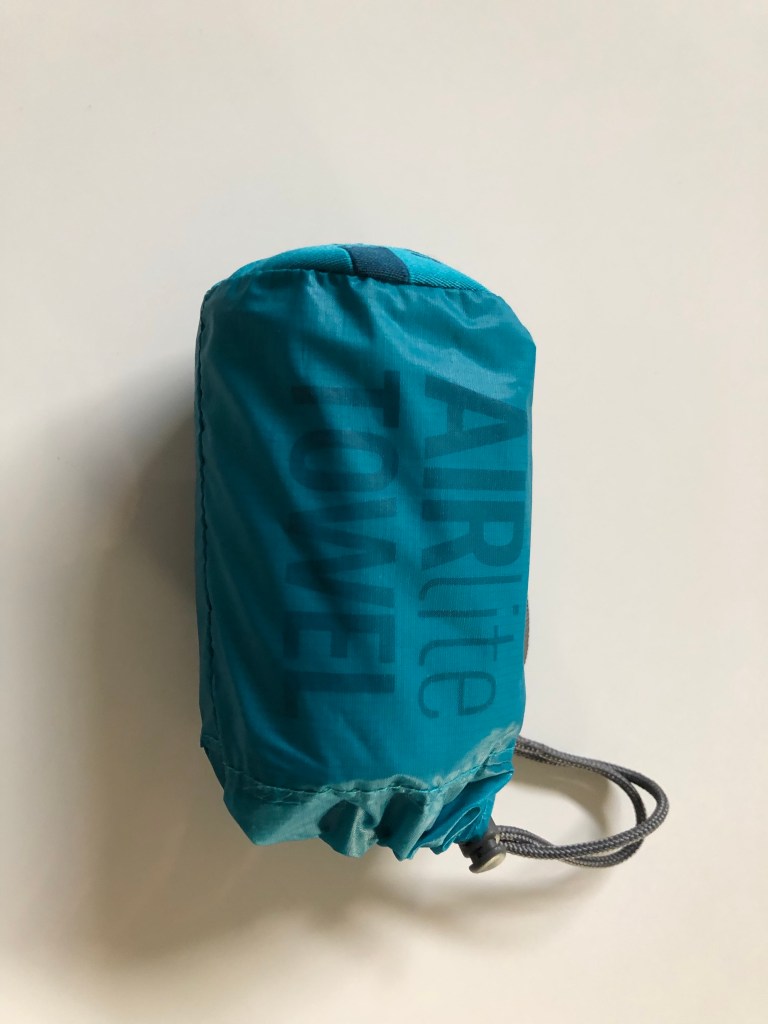
20) Towel. This towel was super light to carry but not great with my thick wet hair. Washing my hair when towels were provided was an easy solution.
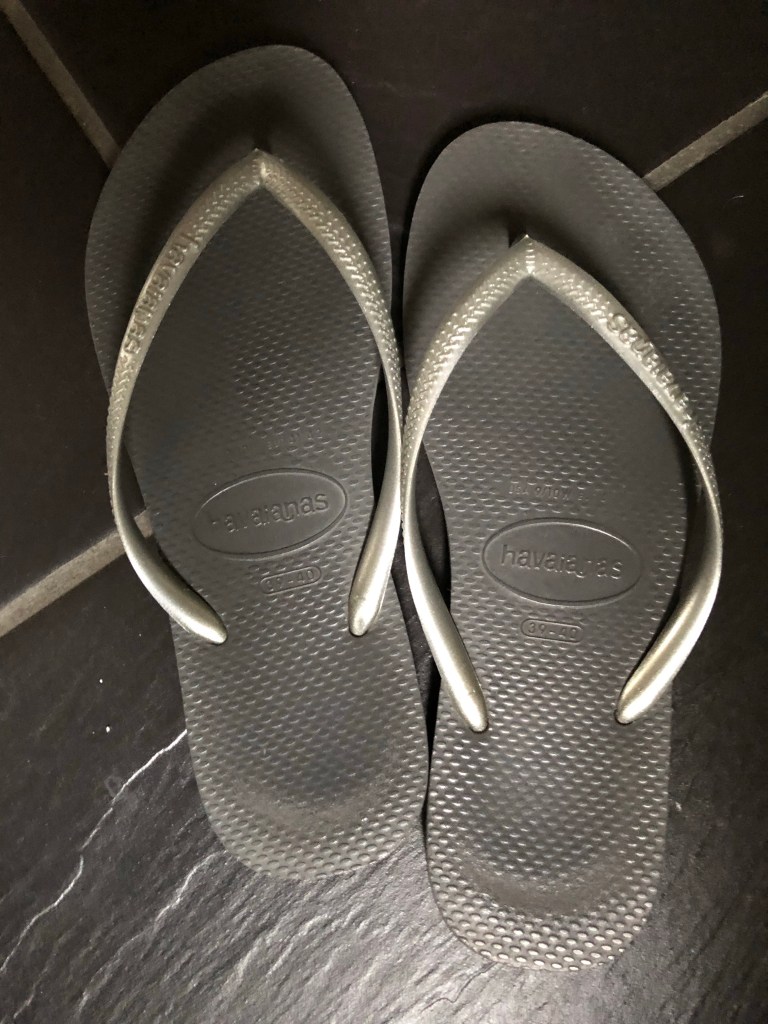
21) My flipflops. These were light and I used them daily, but I might bring a pair of light sport sandals with a heel strap instead. Using these when your feet are already exhausted is difficult, and sandals with heel straps could be an alternative to walking barefoot when your feet need a break from your walking shoes.
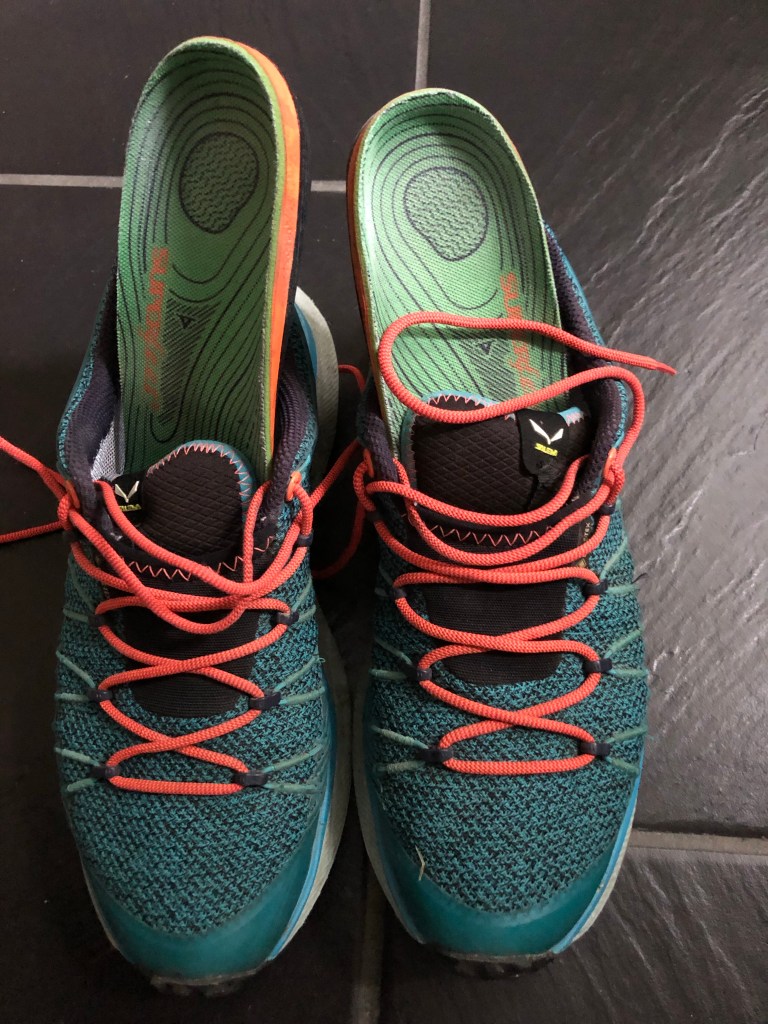
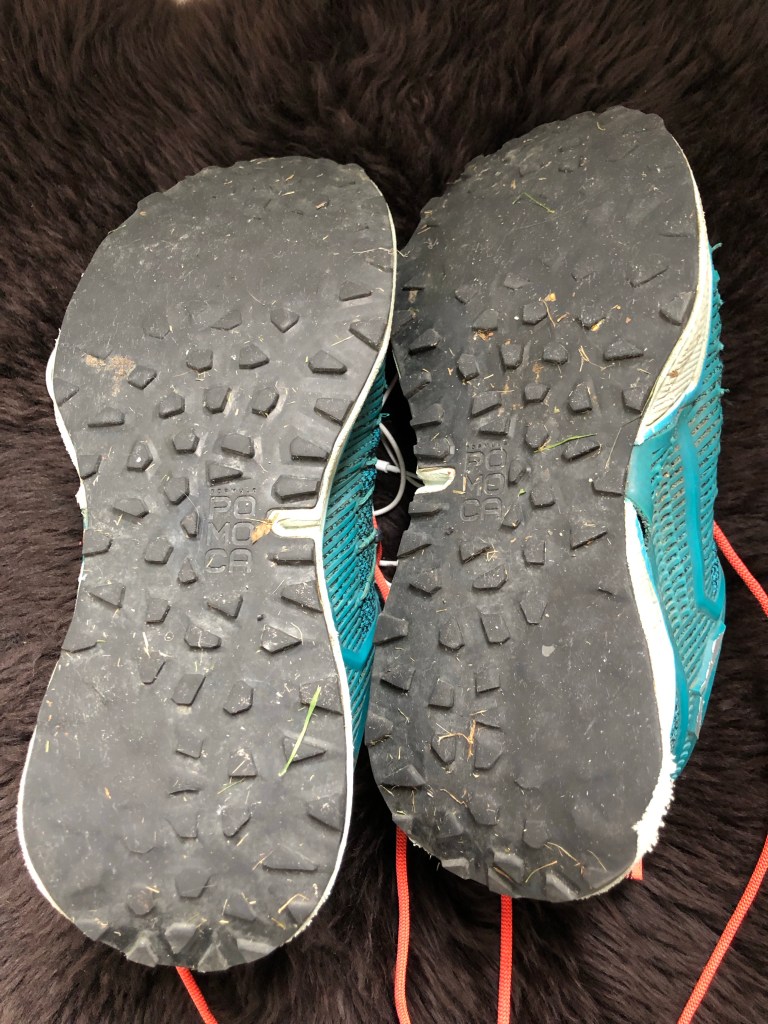
22) While I thought I had found a good pair of walking shoes in Salewa, and had used them for close to 100km before embarking on the trip, these shoes were not my ideal companions when the pack was added. With a narrow heel and wide toe, I need to invest more time in finding my perfect shoes, a rather important piece of equipment. The shoes also claimed to be waterproof, but one, I learned, had a hole in the seam and so my left foot became much wetter than my right foot on several days. The soles were worn out midway through the trip as well, though they didn’t become slippery at all. I bought and used Happy Feet insoles in Lillehammer, and they seemed to help. When I tried putting these shoes back on a week following my return home, my feet clearly declared, “Oh heck, no!” so I will stick to my running shoes for awhile, and keep the search on for my ideal shoes.
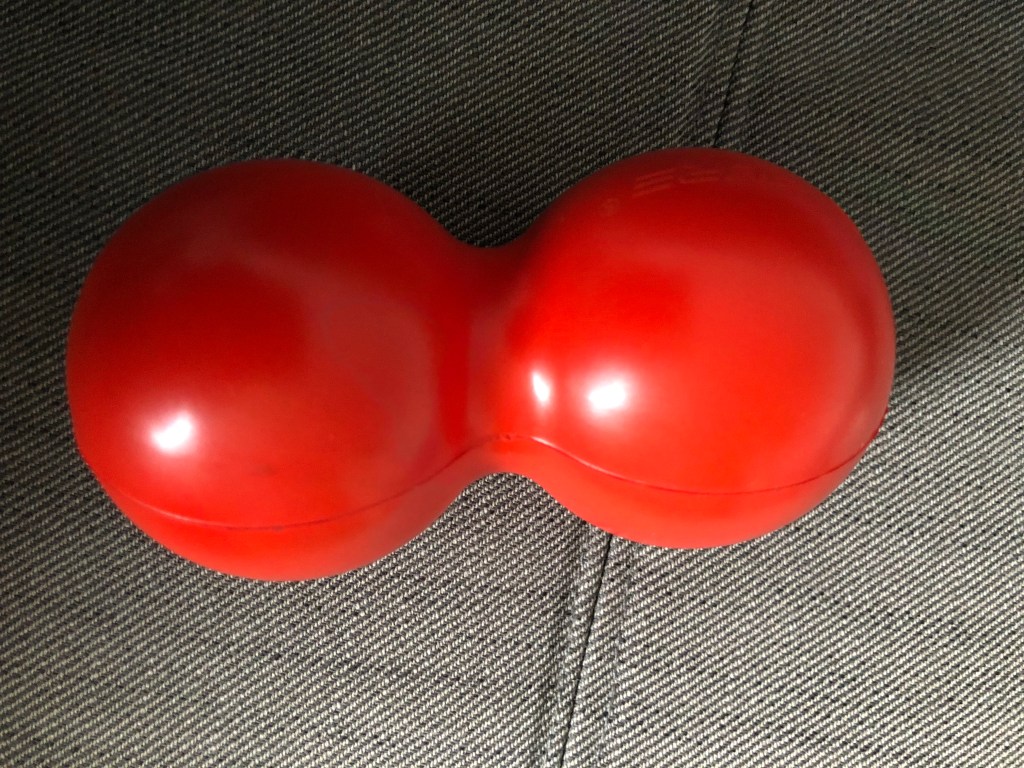
23) This light weight gem was used every day to work out tight muscles in my gluts and legs. I bought it at a local sports store.
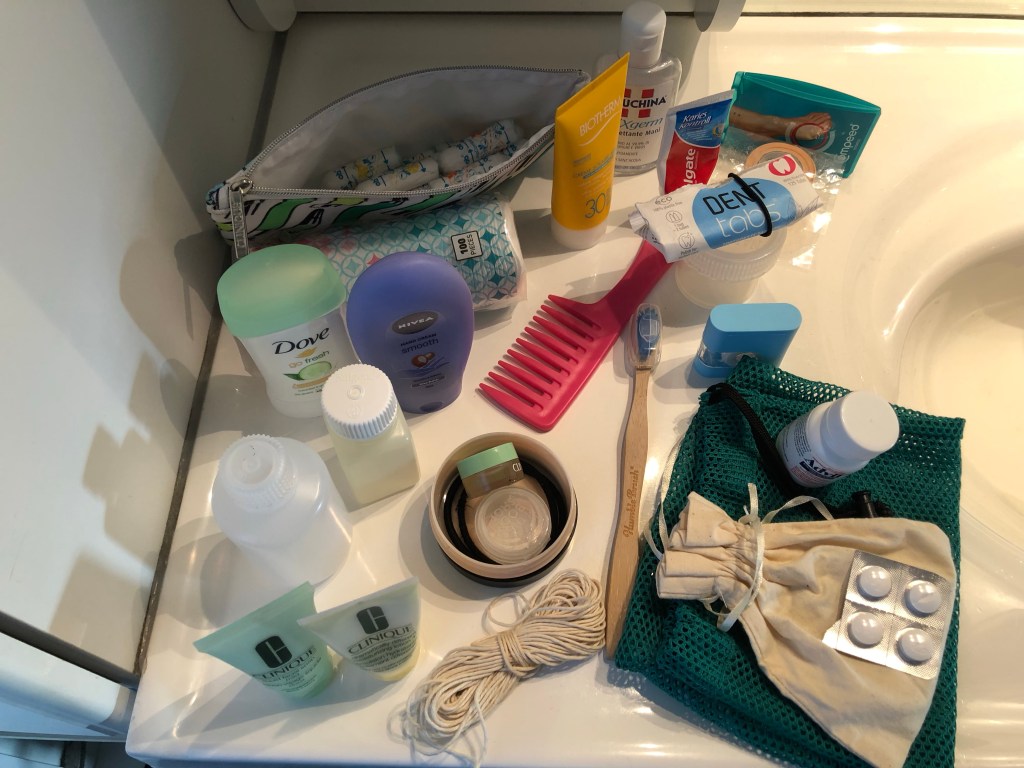
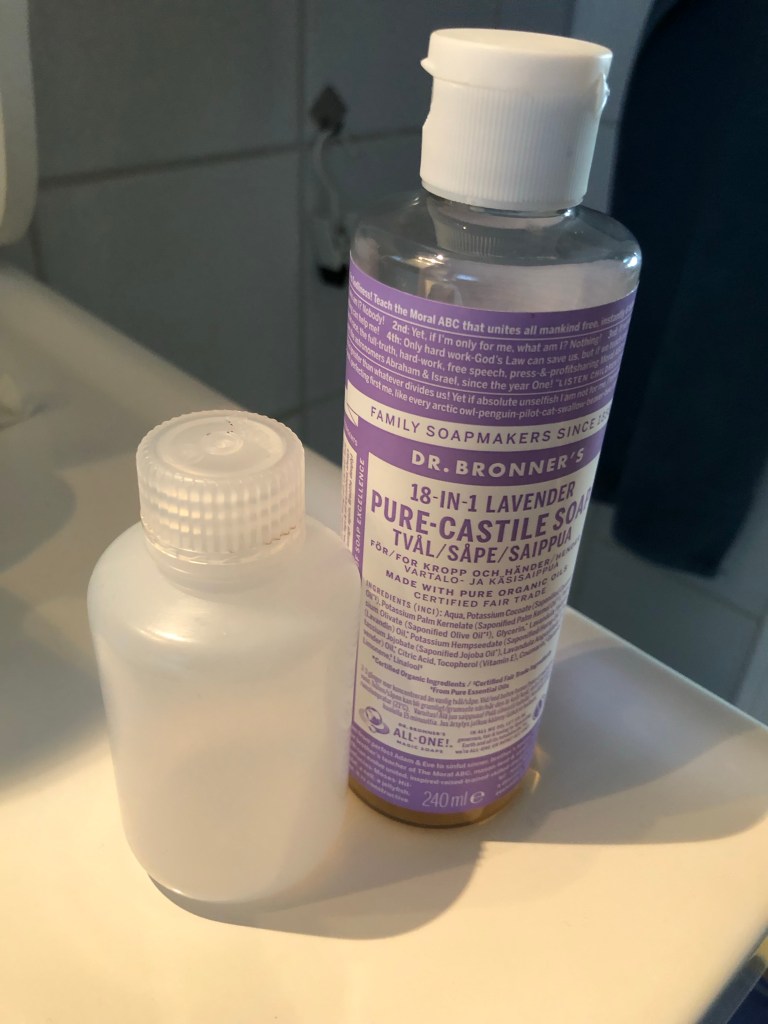
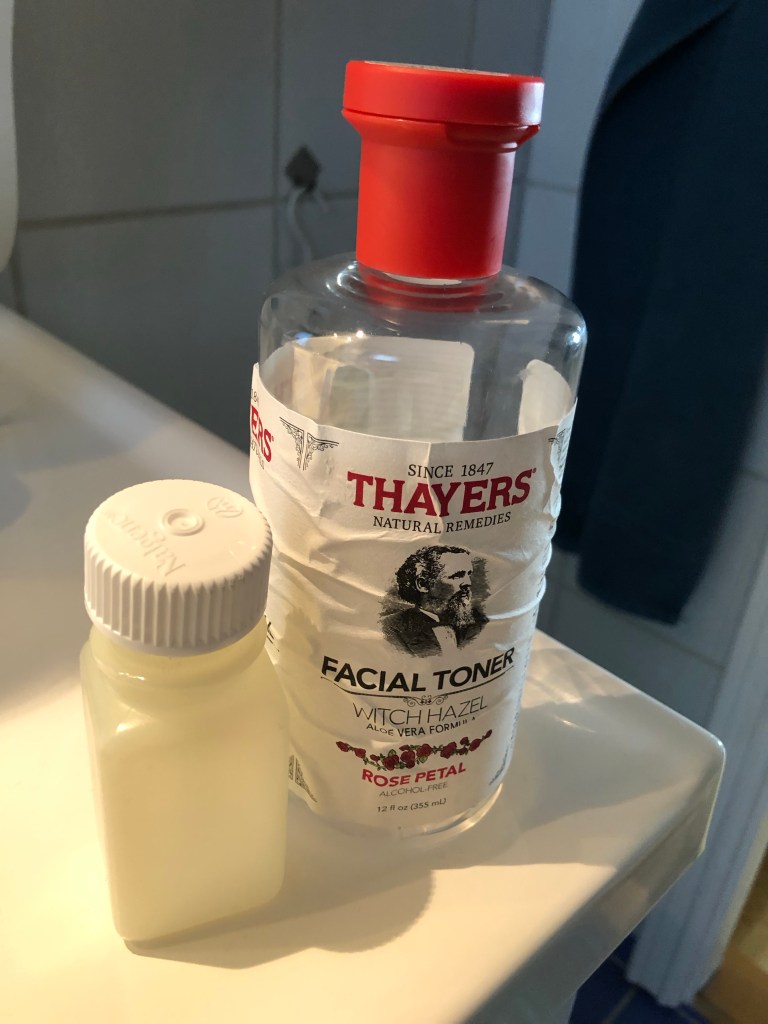
24) Personal kit: some of these items are mandatory, while some were little bits of comfort (it’s all subjective). I had sunscreen, Castile soap, hand sanitiser, comb, toothbrush, toothpaste tablets (which I ran out of so I bought a small tube of toothpaste), floss, painkillers/anti-inflamatories, string (which we used to make a clothes line), deodorant, skin cream, face wash, hair ties and a baby-bit of hair product to prevent frizz, lip balm, rosewater/witchhazel toner, face pads, tampons. I might also bring some kind of muscle balm to rub into legs and feet. Chin-Yu had a herbal balm that was magic and made our space smell much friendlier than sweaty socks and shoes.
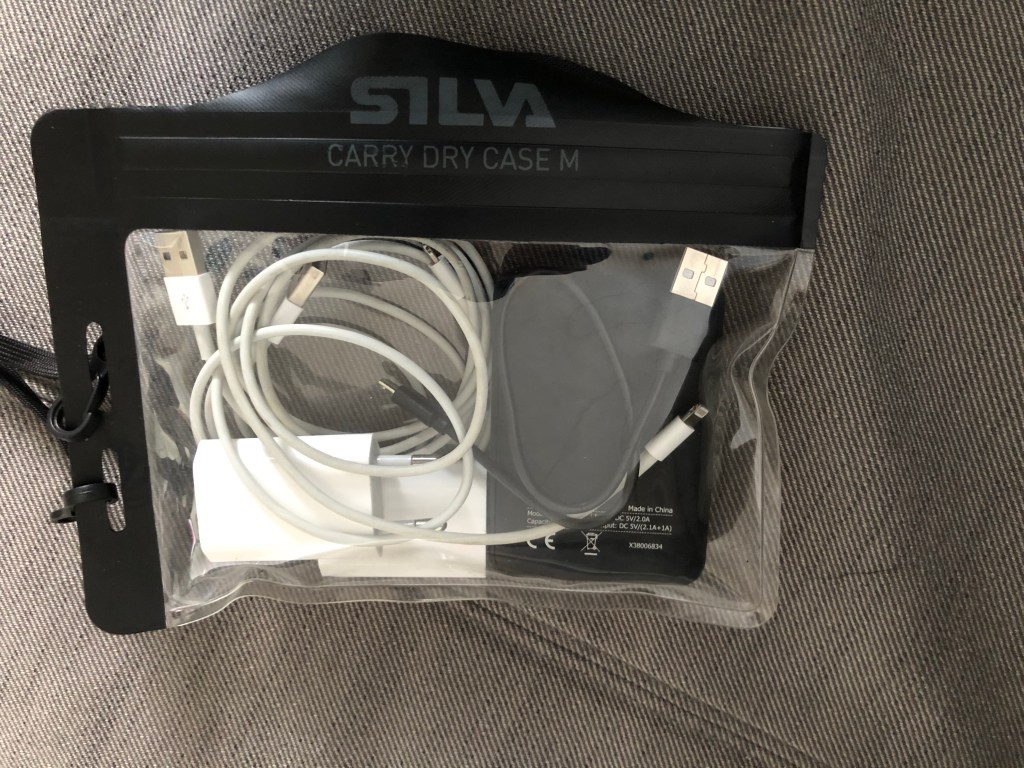
25) Back up charger and chargers. There were only a few nights where we did not have electricity, and because I used my phone for photos and the map all day, I did use the back-up charger especially on longer walking days. I bought the case to keep my phone in on rainy days, and this proved a good idea, although not entirely practical for taking photos.
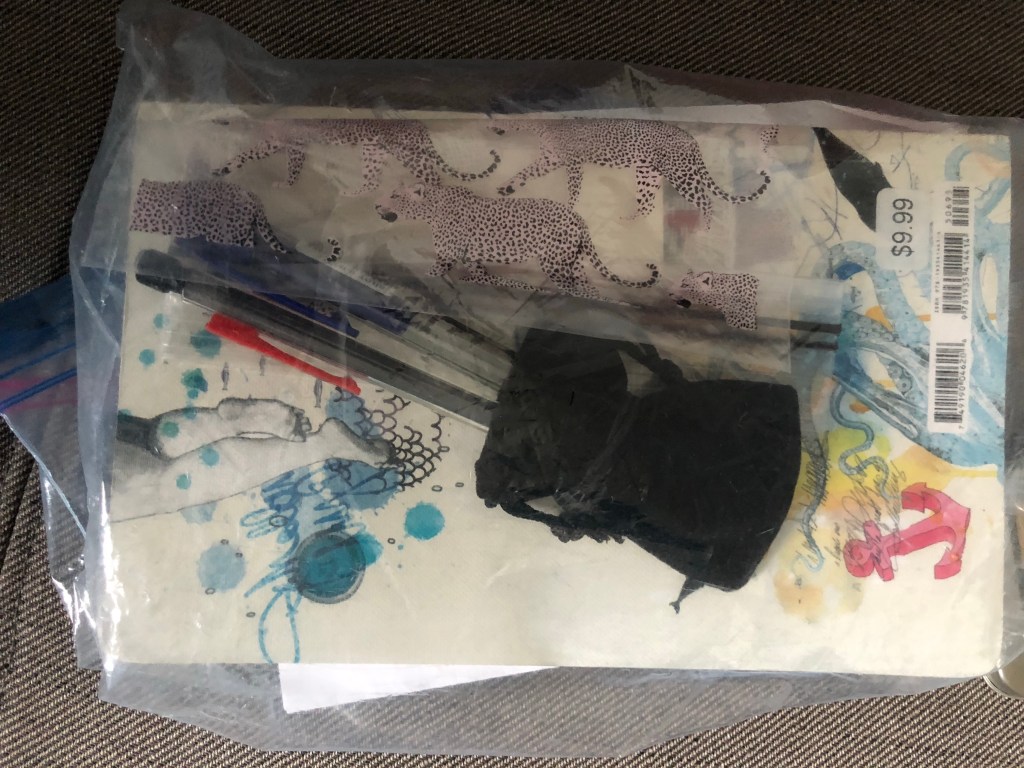
26) Pilgrim passport and journal. In addition to the blog, I kept a journal where I tried to practice stream-of-consciousness writing for 15-minutes per day. This practice did not take root, though I did fill up half the journal. We collected ink stamps in the Pilgrim passport from places we visited, and submitted the passport at the end for our St.Olavsbrev (St. Olav’s letter) that everyone who registers and walks over 100km can get from the Nidarosdomen pilgrim centre.
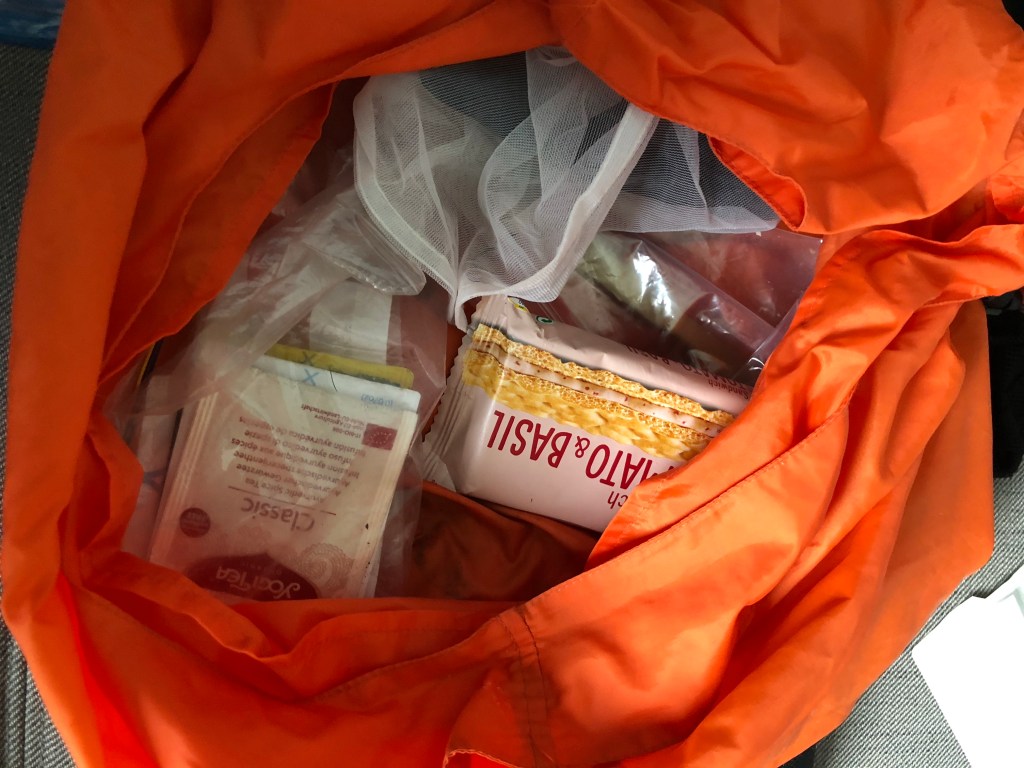
27) Food bag. I often kept 2-3 Wasas, an apple, and a protein bar as back-up. But we also did buy our food sometimes when it wasn’t provided with our accommodation.
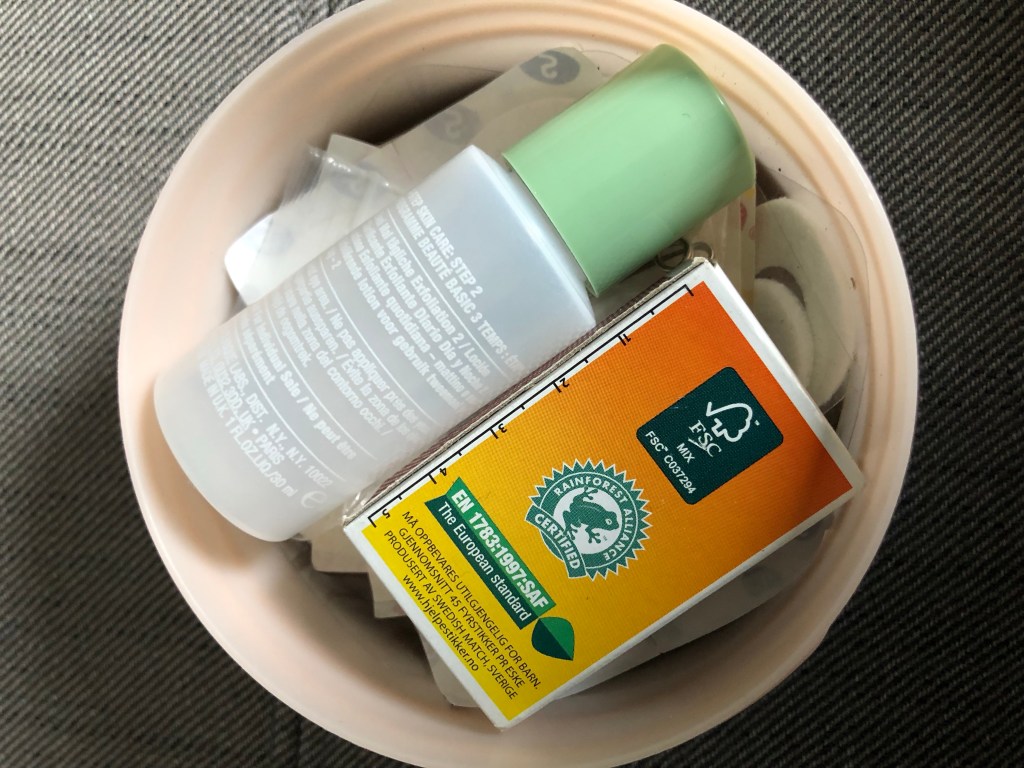
27) First Aid Kit. Mostly a blister kit, actually. I found that waterproof bandaids and waterproof or medical tape were the best to use. The compeed (like second skin) blister covers and blister donuts were too thick.
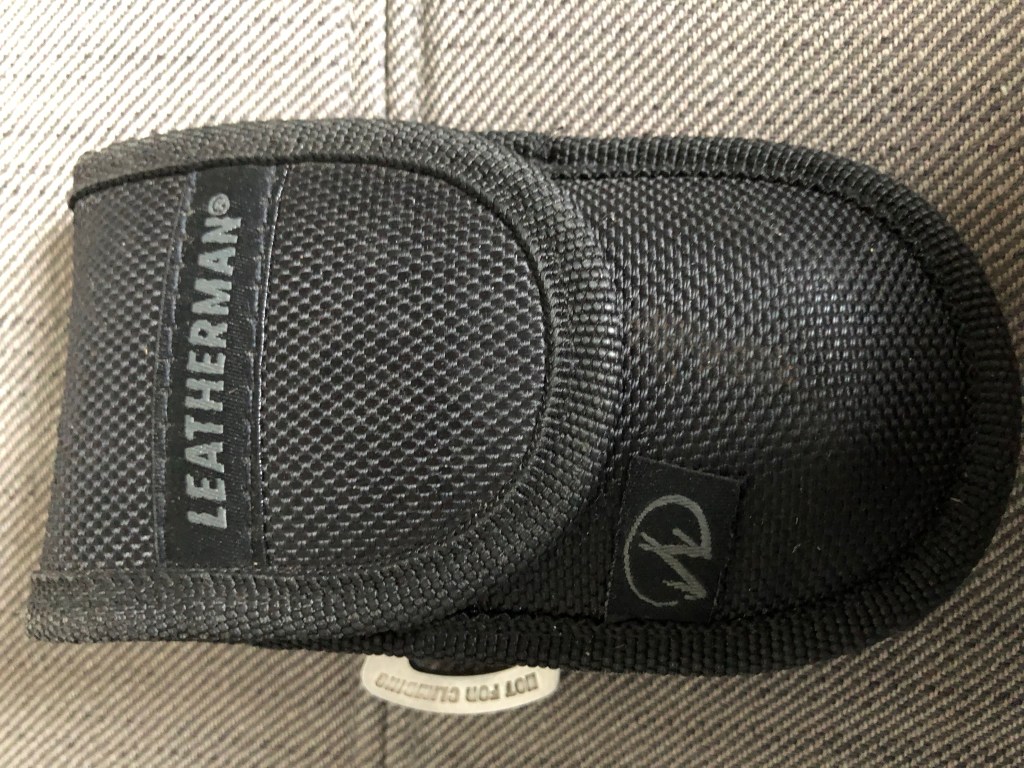
28) Multi-purpose knife. It is heavy but I am glad I had it. You never know when you need a knife or pair of pliers.
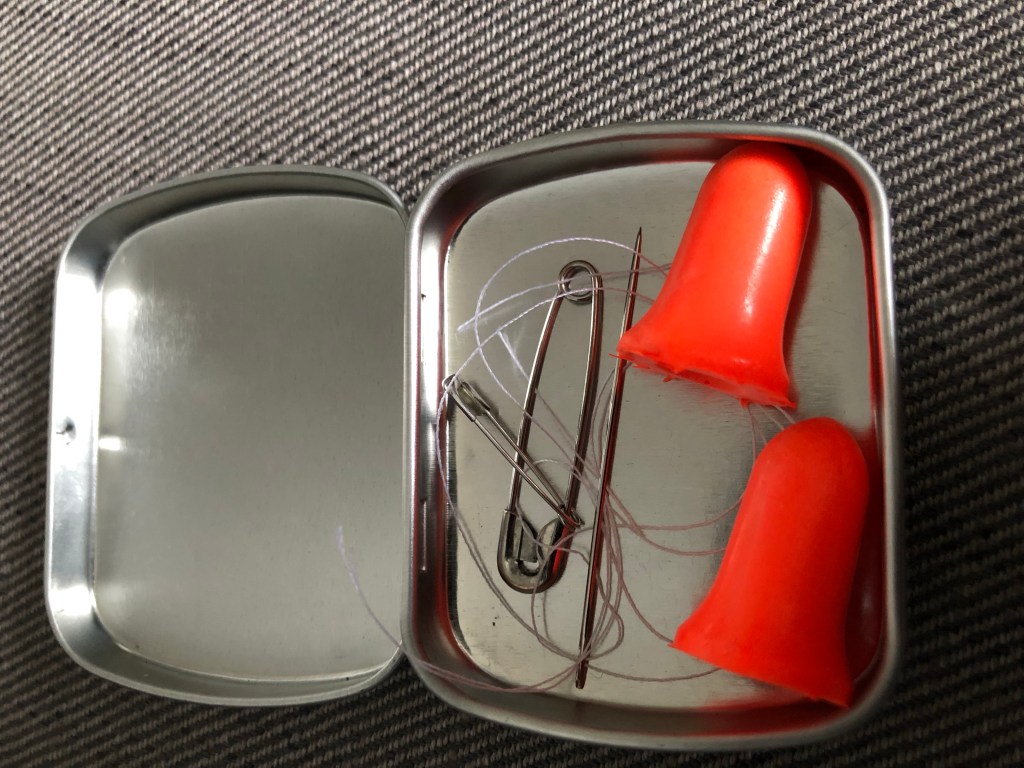
29) Sewing kit and earplugs. I didn’t need the earplugs, though they may have proven useful if the flies that found us didn’t tickle so much and only made noise, or for the noisy magpies some mornings. I used the needle and thread to sew the hole in my only pair of walking pants during the last week.
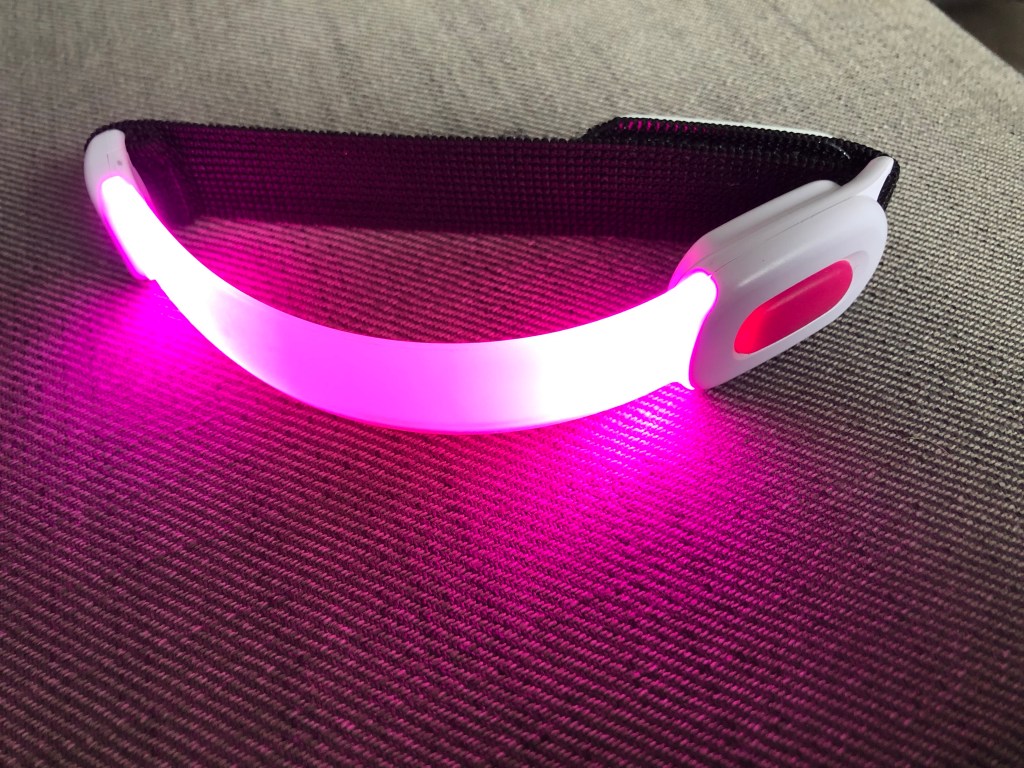
30) Arm or leg band light. While I only used this on our rainy day, I think it was good to have, especially because we needed to walk where cars drive. There were times on that rainy day when there was very little visibility. I felt safer and I am sure the driver’s appreciated it.
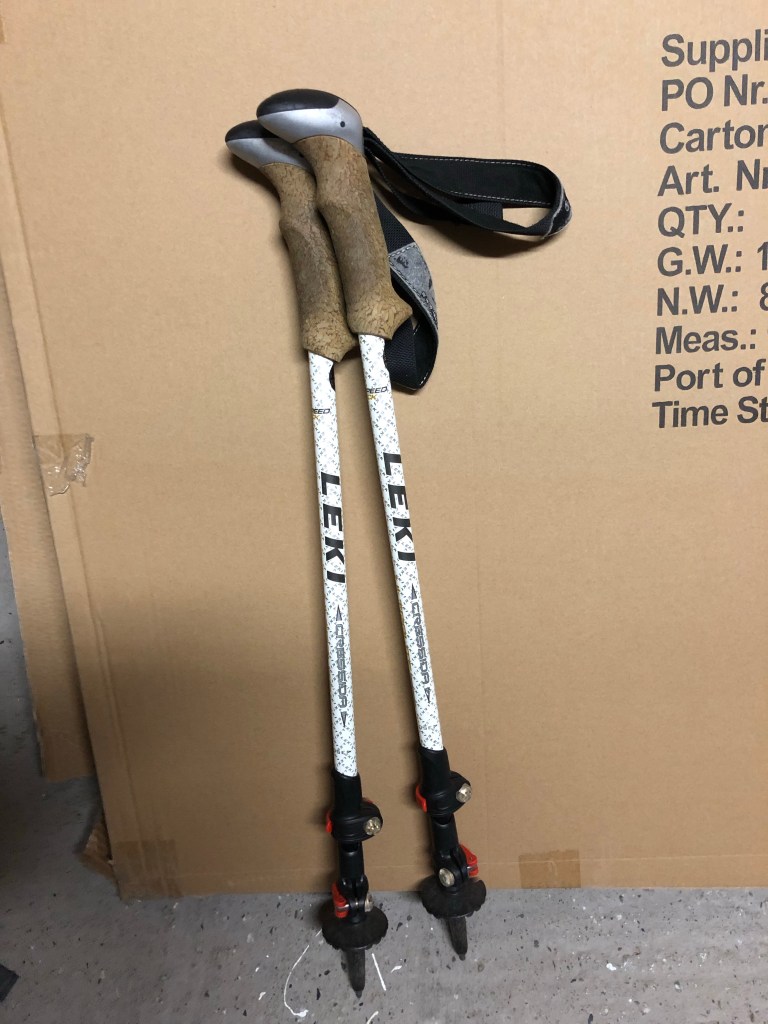
31) Walking sticks. I’m glad I had these. They help to reduce weight on my knees and give some stability on downhills and rocky or swampy sections. At the end of the day, they offered some support too, even on flat roads. Chin-Yu has a pair that have a little removable rubber cap over the spikes on the bottom, which I would recommend as it was annoying to hear my spikes clicking when I used them on the roads.
In addition to the physical items I needed, an open mind and spirit were also useful.
 Stories from the Walk Home